Personal Protective Equipment (PPE): Selection, Proper Use, and Best Practices for Workplace Safety
June 25, 2026 · 4 min read
By Sima Surghali, Social Media Manager at QTI
by Doaa Al Sharif, HSE Trainer at QTI
Creating a safe working environment requires more than simply identifying hazards and implementing safety procedures. It also requires ensuring that employees have the right protective equipment to minimize exposure to workplace risks. One of the most essential elements of any effective safety management system is Personal Protective Equipment (PPE).
Across industries such as construction, manufacturing, oil and gas, laboratories, warehousing, and maintenance operations, workers are regularly exposed to potential hazards. Selecting the correct PPE, using it properly, and maintaining it consistently are critical steps in preventing workplace injuries and promoting long-term occupational safety.
What is Personal Protective Equipment (PPE)?
Personal Protective Equipment (PPE) refers to specialized clothing and equipment designed to protect employees from workplace hazards that cannot be fully eliminated through engineering controls or administrative safety procedures.
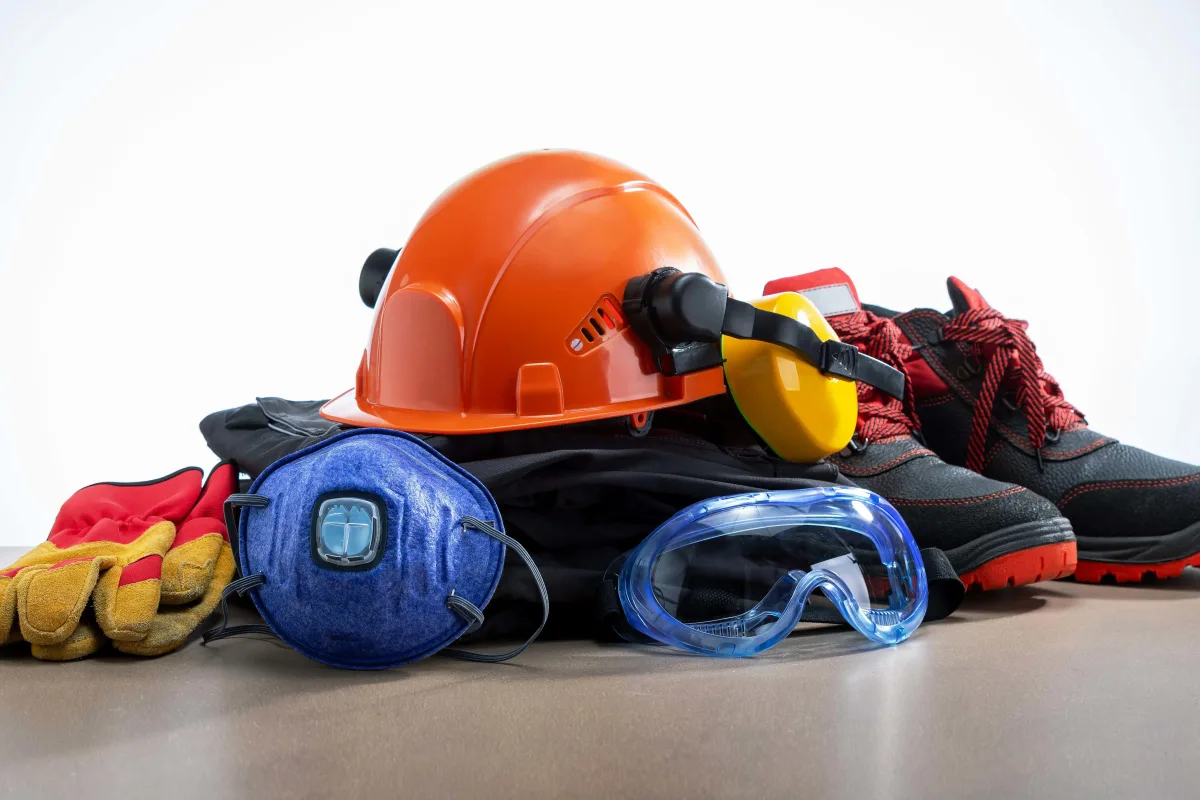
Depending on the work environment, PPE may include:
- Safety helmets
- Safety glasses and goggles
- Face shields
- Protective gloves
- Safety footwear
- Hearing protection
- Respiratory protection equipment
- High-visibility clothing
- Flame-resistant clothing
- Chemical-resistant protective clothing
Each type of PPE serves a specific protective purpose, and selecting the correct equipment based on the identified hazard is essential for effective workplace protection.
Selecting the Right PPE for the Job
Choosing the correct PPE begins with conducting a thorough workplace risk assessment.
Before work activities begin, employers and supervisors must identify potential hazards and determine the most suitable protective equipment required for the task.
When selecting PPE, organizations should carefully consider:
- The specific hazards employees may encounter
- The level of protection required
- Compliance with recognized international safety standards
- Proper sizing and a comfortable fit for the worker
- Compatibility when multiple PPE items are worn together
- The work environment and duration of exposure
Selecting unsuitable PPE can significantly reduce protection and increase the risk of workplace injuries.
Using PPE Correctly
Providing PPE alone is not enough. Employees must understand when PPE is required, how to wear it correctly, and when equipment needs replacement.
Before each use, PPE should be inspected carefully for signs of damage, such as:
- Cracks
- Tears
- Worn straps
- Broken fasteners
- Excessive wear or contamination
Damaged PPE should never be used under any circumstances.
Employees should always follow these essential PPE practices:
- Wear PPE throughout the entire task, not only during high-risk moments
- Adjust PPE for a secure and comfortable fit
- Follow manufacturer instructions for proper use
- Avoid modifying or altering protective equipment
- Immediately report damaged or defective PPE
Regular training and supervision help ensure employees consistently follow these safe work practices.
PPE Care and Maintenance
Proper maintenance is essential to ensure PPE continues providing reliable protection over time.
Organizations should implement a structured PPE maintenance program that includes:
- Cleaning reusable PPE after every use according to manufacturer recommendations
- Storing equipment in a clean and dry environment
- Protecting equipment from sunlight, moisture, and chemical exposure
- Conducting regular inspections for wear and damage
- Removing expired or damaged equipment from service immediately
A well-maintained PPE program not only improves workplace safety but also extends the lifespan of protective equipment.
Common PPE Mistakes That Reduce Safety
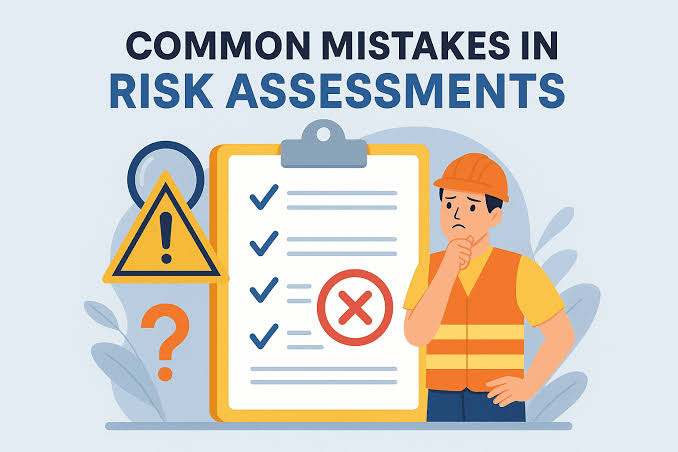
Even when PPE is available, incorrect use can significantly reduce its effectiveness.
Common mistakes include:
- Wearing the wrong type of PPE for the task
- Using damaged or poorly maintained equipment
- Selecting PPE that does not fit properly
- Removing PPE before the task is fully completed
- Failing to inspect PPE before use
- Neglecting cleaning and proper storage procedures
Addressing these issues through training, regular inspections, and strong supervision helps improve overall safety performance.
Building a Positive PPE Safety Culture
An effective PPE program requires more than simply providing equipment — it requires organization-wide commitment to workplace safety.
Managers and supervisors play an important role by leading through example and consistently following PPE requirements themselves.
Employees should feel comfortable to:
- Report damaged protective equipment
- Ask questions regarding PPE requirements
- Raise workplace safety concerns without hesitation
Regular toolbox talks, refresher training sessions, and routine safety inspections help reinforce the importance of PPE and strengthen long-term safe work habits.
When PPE becomes part of everyday workplace behavior rather than merely a mandatory rule, organizations develop a stronger, more sustainable safety culture.
Conclusion
Personal Protective Equipment (PPE) remains one of the most important components of workplace health and safety management.
Selecting suitable equipment, ensuring proper fit, using PPE correctly, and maintaining it in good condition all contribute directly to reducing workplace injuries and protecting employees from occupational hazards.
A successful PPE program combines high-quality protective equipment with regular training, workplace inspections, and a strong commitment to safe work practices.
When employers and employees work together to use PPE consistently and correctly, they create a safer workplace where employees can perform their duties confidently and return home safely every day.