Why Every Industry Needs an Effective Health & Safety Management System
June 25, 2026 · 4 min read
By Sima Surghali, Social Media Manager at QTI
By Adnan Al Balushi, HSE trainer at QTI
Workplace health and safety is far more than a legal obligation. It is a critical element that protects employees, improves operational performance, reduces organizational risks, and strengthens a company’s long-term reputation. Regardless of the industry, implementing an effective Health & Safety Management System (HSMS) is essential for maintaining safe and productive working environments.
Organizations that prioritize workplace safety create stronger operations, reduce costly incidents, and build trust with employees, clients, and stakeholders. In today’s competitive business environment, safety management should never be treated as optional.
The Importance of Health & Safety in High-Risk Industries
Different industries face different operational risks, but one principle remains constant: every workplace requires a structured safety management system.
Industries with hazardous operations rely heavily on effective safety procedures to identify risks early, implement control measures, and ensure employees work under safe conditions.
Oil and Gas Industry: Managing High-Risk Operations
The oil and gas sector is one of the highest-risk industries globally.
Employees frequently work around:
- Heavy industrial equipment
- Hazardous chemicals and gases
- High-pressure systems
- Explosive environments
- Remote operational sites
Without proper safety management systems, accidents can occur quickly and lead to serious injuries, environmental damage, or loss of life.
A strong Health & Safety Management System helps organizations identify hazards, control operational risks, establish emergency response procedures, and ensure workers fully understand safe work practices.
Construction Industry: Reducing Workplace Accidents
Construction sites present multiple daily hazards that require strict safety control.
Common risks include:
- Working at heights
- Falling objects
- Heavy machinery movement
- Electrical hazards
- Structural instability
- Equipment-related injuries
A well-implemented safety management system ensures workers receive proper training, use appropriate protective equipment, and follow safe work procedures before starting any task.
This significantly reduces accidents, prevents costly project delays, and helps maintain smooth project execution.
Logistics Industry: Safe and Efficient Operations
The logistics sector depends heavily on operational coordination and workplace safety.
Employees involved in logistics regularly handle:
- Transportation operations
- Vehicle movement and fleet management
- Loading and unloading heavy materials
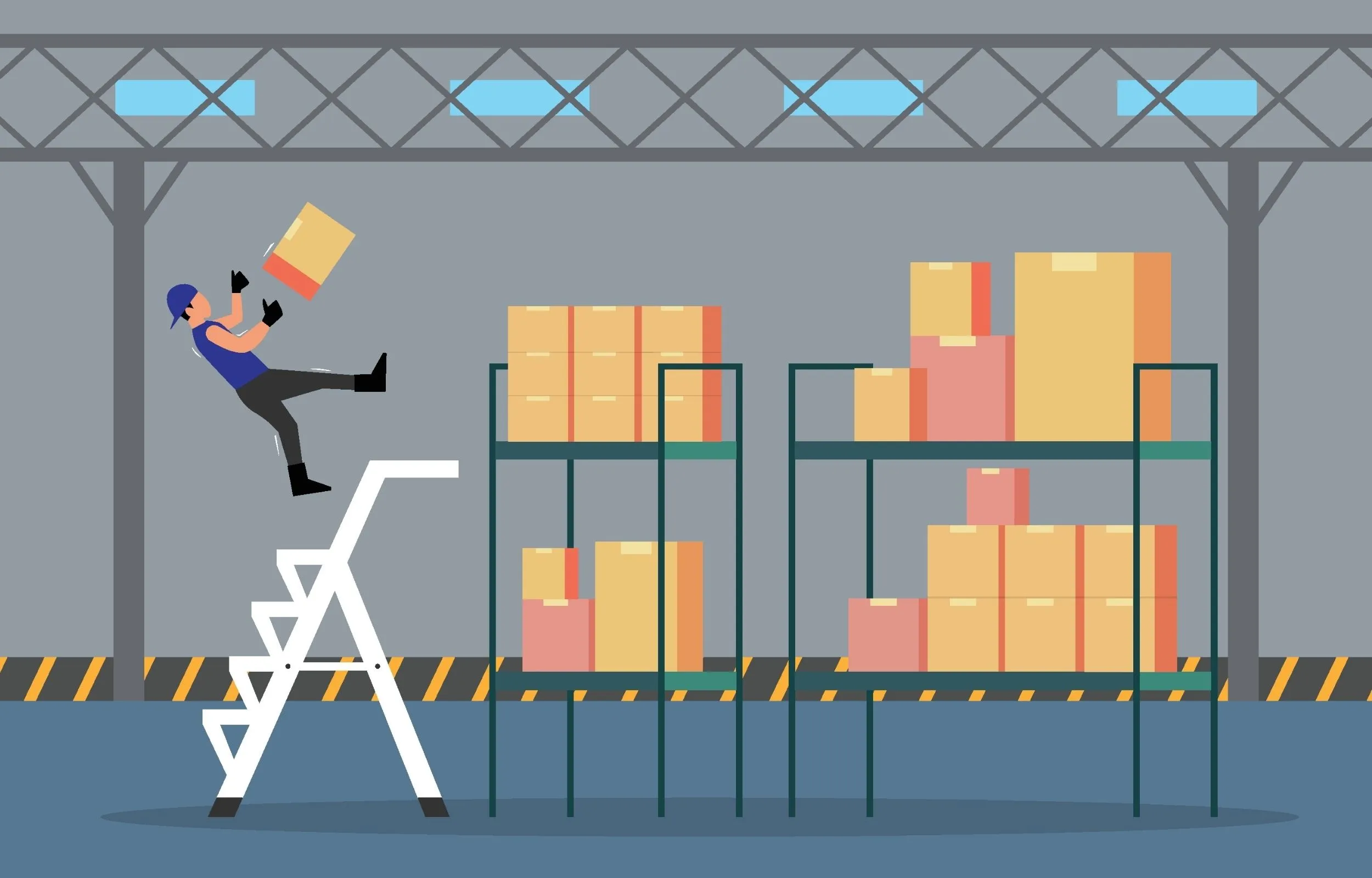
- Warehouse handling operations
- Manual lifting tasks
Without proper safety procedures, organizations face increased risks of employee injuries, damaged goods, operational delays, and reduced efficiency.
An effective safety management system improves workflow organization, strengthens communication, and ensures operations are completed safely while maintaining productivity and service quality.
Office Environments: Safety Beyond Industrial Workplaces
Health and safety management is equally important in office environments, even when operational risks appear lower.
Common office-related safety concerns include:
- Poor ergonomic workstation design
- Long periods of sitting
- Workplace stress and mental fatigue
- Fire safety preparedness
- Electrical safety issues
A structured safety management system helps create a healthy working environment that improves employee well-being, increases productivity, and reduces absenteeism caused by workplace-related health problems.
Manufacturing and Factory Operations
Factories operate in fast-paced environments where safety management is critical for both employee protection and production continuity.
Workers are frequently exposed to:
- Heavy machinery operation
- High noise levels
- Heat exposure
- Mechanical hazards
- Repetitive manual work
- Production line risks
Without effective safety procedures, accidents can impact both employee health and production output.
Regular inspections, preventive maintenance, employee training, and clearly defined operational procedures help reduce workplace risks while maintaining high production standards.
Business Benefits of an Effective Safety Management System
An effective Health & Safety Management System does far more than prevent accidents.
Organizations benefit from:
- Reduced workplace injuries and incidents
- Lower medical and compensation costs
- Reduced equipment damage and downtime
- Better compliance with legal regulations
- Improved employee confidence and job satisfaction
- Higher operational efficiency and productivity
- Stronger organizational reputation and client trust
When employees feel safe, they remain more focused, productive, and committed to delivering better performance.
The Role of Professional Safety Training
Training is one of the most important factors in building a successful workplace safety culture.
Organizations such as training institutes and professional development centers help employees understand how to apply safety procedures effectively in real working environments.
Continuous safety training helps workers stay updated on:
- International safety standards
- Hazard identification methods
- Emergency response procedures
- Risk management strategies
- Industry best practices
Well-trained employees are one of the strongest foundations of any successful safety management system.
Conclusion
Every industry — whether oil and gas, construction, logistics, office environments, or manufacturing — requires a strong and effective Health & Safety Management System.
A structured safety system protects employees, improves operational efficiency, reduces workplace risks, and supports long-term business success.
Investing in workplace safety is not simply an additional business expense. It is a strategic decision that helps organizations build sustainable growth, improve productivity, strengthen reputation, and maintain a safer working environment for everyone.
Organizations that prioritize safety today build stronger businesses for the future.