Why Permit to Work (PTW) Systems Are Essential for Workplace Safety in High-Risk Industries
June 25, 2026 · 4 min read

By Sima Surghali, Social Media Manager at QTI
By Ghaidaa Al Balushi, HSE trainer at QTI
In industries where employees regularly perform hazardous tasks, maintaining strict safety procedures is not optional — it is a critical operational requirement. One of the most effective systems used worldwide to control high-risk activities is the Permit to Work (PTW) System.
A Permit to Work system is a formal safety procedure designed to ensure that hazardous work activities are carefully planned, properly authorized, and safely executed. By implementing a structured PTW process, organizations can significantly reduce workplace accidents, improve regulatory compliance, and build a stronger safety culture.
Understanding Hazard Identification and Risk Assessment
The foundation of every successful PTW system begins with hazard identification and risk assessment.
Before any work permit is issued, organizations must conduct a thorough evaluation of the task to identify potential hazards that could impact workers, equipment, or the surrounding environment.
Potential hazards may include:
- Electrical hazards
- Mechanical equipment risks
- Chemical exposure
- Pressurized systems
- Confined space dangers
- Stored energy release
A proper risk assessment helps determine the necessary control measures required before work can begin safely.
The Importance of Proper Authorization
A Permit to Work system relies heavily on accountability and controlled authorization.
Only trained and authorized personnel should have permission to:
- Issue work permits
- Approve hazardous work activities
- Suspend permits when unsafe conditions arise
- Revoke permits after work completion
This authorization process ensures that no high-risk work is carried out without proper review and approval.
Isolation and Energy Control Procedures
Before maintenance, repair, or operational work begins, all hazardous energy sources must be isolated.
This process protects workers from accidental exposure to dangerous energy release, commonly known as unexpected energization.
Energy sources requiring isolation often include:
- Electrical systems
- Mechanical movement
- Hydraulic systems
- Pneumatic pressure
- Chemical process lines
Applying proper Lockout/Tagout (LOTO) procedures is an essential part of effective PTW management.
Communication: The Core of Safe Operations
Even the most detailed permit system can fail without effective communication.
Every worker involved in the task must fully understand:
- Scope of work
- Permit conditions
- Workplace hazards
- Required protective measures
- Emergency response procedures
Clear communication improves coordination and helps prevent misunderstandings that may lead to serious incidents.
Continuous Monitoring and Supervision
Safety responsibility does not end once the permit has been issued.
Throughout the permit period, supervisors must continuously monitor work activities to ensure all workers are complying with approved safety procedures.
Continuous supervision helps identify unsafe behaviors early and ensures immediate corrective action when necessary.
Proper Permit Closure Process
Once the work activity has been completed, the permit must go through a formal closure process.
This includes:
- Final inspection of the work area
- Verification that the task has been safely completed
- Removal of temporary safety barriers
- Returning equipment to normal operating condition
- Confirming the area is safe for standard operations
Only after these steps should the permit officially be closed.
Key Benefits of Implementing a PTW System
Organizations that implement an effective Permit to Work system gain several long-term safety and operational benefits:
- Reduced workplace accidents and injuries
- Improved employee awareness of operational hazards
- Better coordination between departments and contractors
- Stronger compliance with international safety regulations
- Protection of equipment, facilities, and production assets
- Development of a proactive workplace safety culture
A well-managed PTW system not only protects employees but also improves overall operational efficiency.
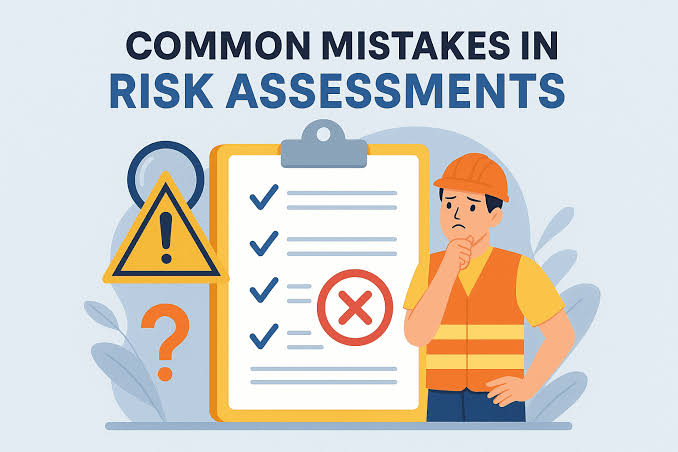
Common PTW Challenges Organizations Face
Despite its importance, many organizations experience PTW failures due to poor implementation.
The most common issues include:
- Incomplete risk assessments
- Poor communication between teams
- Unauthorized permit approvals
- Failure to follow permit conditions
- Lack of workplace supervision
- Inadequate safety training
Regular audits, employee training, and continuous improvement are essential for maintaining PTW effectiveness.
Conclusion
The Permit to Work (PTW) System remains one of the most important safety management tools used in high-risk industries worldwide.
It provides organizations with a structured framework for controlling hazardous work activities by ensuring risks are identified, assessed, communicated, and controlled before work begins.
Organizations that invest in proper PTW implementation demonstrate a strong commitment to employee safety, operational excellence, and regulatory compliance.
In today’s increasingly complex industrial environment, a strong Permit to Work system is no longer simply a safety requirement — it is a fundamental part of responsible and sustainable business operations.